












 Depression Types
How to Get Rid of and Prevent Hypomania and Mania - Bipolar II Disorder
Tweet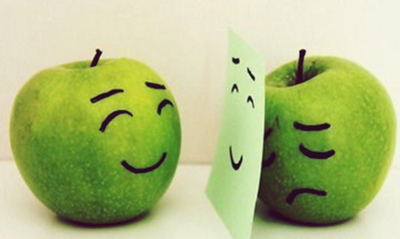 A mild to moderate level of mania is called hypomania. Hypomania is abnormality of mood but even normal euphoria and mania. Characterized by optimism, pressure of speech and activity, and decreased need for sleep. Some people have increased creativity while others demonstrate poor judgment and irritability.
The clinical features of mania reflect a marked elevation of mood, characterized by euphoria, overactivity and disinhibition. Hypomania lasts a shorter time and is less severe, with no psychotic features and less disability. Hypomania can be distinguished from normal happiness by its persistence, non-reactivity (not provoked by good news and not affected by bad news) and social disability. Mania almost always occurs as part of a bipolar affective disorder. The social disability of mania can be severe, with disinhibited behaviour leading to significant debts (from overspending and over-generosity), lost relationships (from promiscuity), social ostracism and lost employment (from reckless or disinhibited behaviour).
Hypomania may feel good to the person who experiences it and may even be associated with good functioning and enhanced productivity. Thus even when family and friends learn to recognize the mood swings as possible bipolar disorder, the person may deny that anything is wrong. Without proper treatment, however, hypomania can become severe mania in some people or can switch into depression.
Definition of Mania and Hypomania
Generally Hypomania (mildly manic) or mania is associated to being the sufferer in a real good mood. When you're first getting manic, you may feel just great! But the fact is that some people also get angry and they are a lot agitated when they are manic or hypomanic.
Hypomanic episodes have the same symptoms as manic episodes with two important differences: (1) the mood usually isn’t severe enough to cause problems with the person working or socializing with others (e.g., they don’t have to take time off work during the episode), or to require hospitalization; and (2) there are never any psychotic features present in a hypomanic episode.
Hypomania: At first when I'm high, it's tremendous ... ideas are fast ... like shooting stars you follow until brighter ones appear... All shyness disappears, the right words and gestures are suddenly there ... uninteresting people, things, become intensely interesting. Sensuality is pervasive, the desire to seduce and be seduced is irresistible. Your marrow is infused with unbelievable feelings of ease, power, well-being, omnipotence, euphoria ... you can do anything ... but somewhere this changes.
Bipolar I Disorder (mania or a mixed episode) – This is the classic manic-depressive form of the illness, characterized by at least one manic episode or mixed episode. Usually—but not always—Bipolar I Disorder also involves at least one episode of depression. More on Bipolar
Bipolar II Disorder (hypomania and depression) – In Bipolar II disorder, the person doesn’t experience full-blown manic episodes. Instead, the illness involves episodes of hypomania and severe depression. More on Bipolar II
Mania: The fast ideas start coming too fast and there are far too many ... overwhelming confusion replaces clarity ... you stop keeping up with it … memory goes. Infectious humor ceases to amuse. Your friends become frightened ... everything is now against the grain ... you are irritable, angry, frightened, uncontrollable, and trapped. More on Mania
Cyclothymia (hypomania and mild depression) – Cyclothymia is a milder form of bipolar disorder that consists of cyclical mood swings. However, the symptoms are less severe than full-blown mania or depression. More on Cyclothymia
Epidemiology - The lifetime prevalence of bipolar affective disorder is 1% across the world. Unlike unipolar depressive illness, it is equally common in men and women, supporting its different aetiology. There is no variation by socio- economic class or race. The mean age of onset is 21; earlier than unipolar depression. The higher prevalence found in divorced people is probably a consequence of the condition.
What are the symptoms of Hypomania a form of Bipolar Disorder Manifestation?
The less severe form of high in bipolar disorder is hypomania. People with this form have increased energy and tend to become more active than usual. They do not, however, have delusions or hallucinations. They do not lose touch with reality in the sense that they know who they are and what is real. What can be a problem, however, is that they tend to overestimate their capabilities and fail to see the obvious risks involved in their ventures. For example, if they are in business, they may suddenly decide to expand in a way that is not really practical or set up schemes for which they are ill prepared. Other forms of less inhibited behavior include reckless driving, gambling, spending sprees and sexual adventures. They may also have lots of new ideas but do not follow them through. They are often very jolly to be with but can become impatient if they cannot do what they want.
- Effected people tend to overestimate their capabilities.
- They feel inflated self-esteem or grandiosity.
- Increased alcohol consumption.
- They fail to see the obvious risks involved in their ventures
- Making lots of plans.
- Excessive involvement in pleasurable activities.
- Increased interest in uncharacteristic sexual flirting.
- They wish of doing several things at once.
- Decreased need for sleep.
- More sensitive than usual.
- They feel like taking too many responsibilities.
- Increase in goal-directed activity
This description is not really negative things. What makes hypomania scary is that an individual may make bad choices with the increased energy. A common error made by Bipolar folks is to stop taking medications, because some degree of hypomania feels good.
The episode is not severe enough to cause marked impairment in social or occupational functioning, or to necessitate hospitalization, and there are no psychotic features. The episode is associated with an unequivocal change in functioning that is uncharacteristic of the person when not symptomatic.
Does hypomania lead to manic depression (bipolar affective disorder)?
Some people can experience hypomania alone, without experiencing depression. However, sometimes people with hypomania do have a brief period of depression before or after the hypomanic episode. This inturn leads to a totally new dimension in diagnosis of bipolar affective disorder. Bipolar affective disorder known as manic depression, involves feeling extremes of mood both lows as well as highs. People who experience a hypomanic episode are often diagnosed with a type of bipolar disorder called Bipolar II.
Some TO DO's for Hypomania sufferers
- Have a nice sleep. If you are not able to sleep, call your doctor and consult to him/her.
- Do not jump to any important decision. Wait until you are feeling better.
- Keeps your thought process in a focused direction. Give your thoughts directions.
- Don't spend your money. Keep them in some safe and reliable hands. They will further help you in future.
- Engage yourself in relaxing and calming activities. Stay away from over stimulating environments.
- Avoid disco, dance and going to bar. The environment which these things have trigger the feel of hypomania.
- Consult to any support person and let your feelings and understanding known to them.
- You should go and talk to your doctor before things slip out of your hands. He/She will help you help yourself.
- Do not consume excess sugar, caffeine and alcohol. Eat balanced diet.
How to recover from a Hypomania and its Episodes?
- First and foremost thing is be true to yourself.
- Remember one thing, that whatever you did when you were ill was not you. It was the illness that was making the things work that way.
- Don't leave your medication. Continue them until your doctor ask you to quit.
- Give yourself time and chance to get back to normal life.
- Give yourself a relaxed, calm and soothing environment.
- Exercise regularly and you may also try some meditation.
- Feel free to ask for help from your relatives, loved ones, support persons, etc.
Treatment for hypomania
The same medications as for mania. These include mood stabilizers such as lithium, Tegretol, Depakote, Topamax, Lamictil and Neurontin. Some people respond to high doses of omega 3 fish oils.
Prevention of mania
Since bipolar illnesses tend to be relapsing and remitting, prevention of relapse is the major therapeutic challenge in the management of bipolar affective disorder. A patient who has experienced more than two episodes of affective disorder within a 5-year period is likely to benefit from preventative treatments.
Prognosis of mania
The average duration of a manic episode is 2 months, with 95% making a full recovery in time. Recurrence is the rule in bipolar disorders, with up to 90% relapsing within 10 years.
Famous people with hypomania
Hypomania is commonly found in the people from the world of music.
- Recently, Radiohead front man Thom Yorke admitted "Hypomania.
- Richey Edwards, the 'fatalistic Manic Street Preacher' suffered from the same condition as Yorke.
- Syd Barrett of the band Pink Floyd has also reportedly suffered from hypomania.

Annie: While dealing with bipolar disorder isn’t always easy, it doesn’t have to run your life. But in order to successfully manage bipolar disorder, you have to make smart choices. Your lifestyle and daily habits have a significant impact on your moods.
I am suffering from hypomania and manic disorder since 2 years and still i am on medication. - Mic
Nancy: There is increasing evidence that individuals who live in an emotionally stable environment or who have significant others available for support during times of stress or crisis have an overall healthier outcome
Jack: It’s important to have people you can turn to for help and encouragement. Try joining a support group or talking to a trusted friend. Reaching out is not a sign of weakness and it won’t mean you’re a burden to others. In fact, most friends will be flattered that you trust them enough to confide in them, and it will only strengthen your relationship.
I am impressed by the simple explanations for each disease and its cure. Keep it up. - Regg
my girlfriend is bipolar and they have her on zoloft, lithium, tegretol, zyprexa, klonopin and seriquil.....she has abd confusion, sweats and has twitching, could she be developing seretonin syndrome - mary
I was diagnoded with Hypomania 40 years ago and was treated with lithium. I was serving in the armed forces at the time and was medically discharged with a 20% disability. I still receive my Service pension for time served and a 20& disability pension. The description of my disability explained by the phiciatrist was that I was ^over active*. I was working round the clock and had a deficiency of sleep. I was not getting on with my workmates and therefore this led to hostility.I was a very energenic sportsman and inclined to put this before my duties. The treatment at the hospital was mainly theraputic ie photography ,sightseeing and weekend leave. I am now retired from working life and I am comptely relaxed. in my daily life.I am not receiving any medical treatment or medication anymore. Do you think this is the "end of the road" regarding my former illness.
Yours Sincerely ....JG
JG - you should look back on all your achievements in life, this is not the end of the road for you...
For years i was diagnosed with severe depression and not til the other day did i believe that i had been misdiagnosed...turns out they believe i have hypomania...its great that they may have "hit the nail on the head"and i can get on with my life and work with it...everyone is ünique, and thats what makes us special...even famous people artist and painters and scientists in the past have had some sort of mental illness...
Thanks so much for the informative infomation, its helped me to understand it a lot better...keep up the great work...Cat

Sometimes crying or laughing
are the only options left,
and laughing feels better right now.


Stay Connected with DG


Current Issue
 Self Help Leaflets Take the help of our self help leaflets or booklets. |
 The DG Magazine All about living with depression |
Type of Depression
 Hypomania Cyclothymia Major Depression Unipolar Disorder Dysthymic Disorder Neurasthenia Bipolar Disorder Rapid Cycling Bipolar Disorder Bipolar II Disorder Adolescent bipolar disorder Bipolar affective disorder Children Bipolar Disorder Manic Depressive Disorder Postpartum Depression Melancholia Agitated Depression Manic Depressive Psychosis Depressive Disorder NOS Dysphoric Mania Neurotic depression Masked depression Endogenous depression Puerperal psychosis Postpartum psychosis Winter depression - Seasonal Affective Disorder (SAD) Post Traumatic Stress Disorder Premenstrual Dysphoric Disorder (PMDD) Atypical depression Alcohol And Depression