











 Depression Types
Different types of depression
TweetWhat is depression is known to us. But how many faces and forms can it take, can someone really guess? Well the answer is upto you to find out. See the details on the types of depression and its forms below and judge on your own, on how widespread and big this illness is. No headache as an illness will become less popular by the illness - depression.
Depression is a form of what is known as a mood or affective, disorder, because it is primarily concerned with a change in mood. Depression is a very complex illness. No-one really knows for certain what causes depression, and everyone's experience of depression is different.
For 20 percent to 35 percent of depressed people, a normal routine is all but impossible. Others have episodes of depression followed by feelings of well-being. Still others have episodes of terrible lows that alternate with inappropriate "highs." Here are some descriptions of the most common forms of depression.
Let us now consider the diagnoses one by one and see what the essential features of each of the type of depression are:
Top Stories in Types of Depression:
 Teen Depression: Guide for Parents Help your Teen and your Family. Teen depression can lead to problems at home and school, drug abuse, self-loathing -even violence or suicide. Teen Depression: Guide for Parents Help your Teen and your Family. Teen depression can lead to problems at home and school, drug abuse, self-loathing -even violence or suicide. |
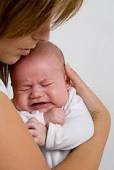 Postpartum Depression and "baby blues" - As the name implies, Postpartum Depression or postnatal depression occurs up to six weeks after a women has given birth. Postpartum Depression and "baby blues" - As the name implies, Postpartum Depression or postnatal depression occurs up to six weeks after a women has given birth.
|
|
 Post Traumatic Stress Disorder - is a complex health condition that can develop in response to a traumatic experience - a life-threatening or extremely distressing situation. Post Traumatic Stress Disorder - is a complex health condition that can develop in response to a traumatic experience - a life-threatening or extremely distressing situation. |
 Premenstrual Dysphoric Disorder (PMDD) - This condition is experienced by approximately four percent of menstruating women. Premenstrual Dysphoric Disorder (PMDD) - This condition is experienced by approximately four percent of menstruating women. |
|
 Bipolar Disorder- This section covers the detail information on all types of Bipolar Disorder, their treatment options, occurence in childhood, diagnosis criteria, etc. Bipolar Disorder- This section covers the detail information on all types of Bipolar Disorder, their treatment options, occurence in childhood, diagnosis criteria, etc. |
 Winter depression - Seasonal Affective Disorder (SAD) - affect most people throughout their life and some of us probably don't even know it. Some have given the name "the Holiday Blues". Winter depression - Seasonal Affective Disorder (SAD) - affect most people throughout their life and some of us probably don't even know it. Some have given the name "the Holiday Blues". |
More in Depression Types
- Dysthymic Disorder - A less severe type of depression, dysthymic disorder , involves long-term, chronic symptoms that do not disable, but keep one from functioning well or from feeling good.
- Cyclothymic Disorder - Cyclothymia is a milder form of manic depression, characterized by hypomania (a mild form of mania) alternating with mild bouts of depression.
- Unipolar Depression - This lowered mood may vary slightly throughout the day but the sufferer cannot usually be cheered up, and this is the major distinction between simply being unhappy and being clinically depressed.
- Puerperal Psychosis - Puerperal psychosis is an acute mental illness, which Major Depression - This is the most sever form of depression which lasts for long long time. In this situation, it is very difficult for the person to control himself or herself. has a sudden onset within the first few weeks (usually the first 10 days) following childbirth.
- Atypical depression
- Postpartum psychosis
- Neurasthenia
- Neurotic depression
- Masked depression
- Endogenous depression
- Melancholia
- Agitated Depression
- Manic Depressive Disorder
- Manic Depressive Psychosis
- Depressive Disorder NOS
- Dysphoric Mania
'Severity' of Depression :-
1) Mild depression
2) Moderate depression
3) Severe Depression
Manic Depression: Manic depression can be defined as an emotional disorder characterized by changing mood shifts from depression to mania which can sometimes be quite rapid. People who suffer from manic depression have an extremely high rate of suicide.
Psychotic Depression - Approximately 15 percent of people who suffer from major depression also show symptoms of psychotic depression. These symptoms include hearing voices inside one's head (auditory hallucinations), having visions of people or things that are not actually there (visual hallucinations), and delusional thinking. People who suffer from this extreme form of major depression are in need of immediate attention. Because they cannot rationally judge the consequences of their actions, they are in serious danger of killing themselves.
Depressive disorders come in different types, just as is the case with other illnesses such as heart disease. When a psychiatrist makes a diagnosis of a patient's depressive illness, he or she may use a number of terms--such as bipolar, clinical, endogenous, major, melancholic, seasonal affective or unipolar--to describe it. These labels confuse many people who don't understand that they can overlap. People with depressive illness may also receive more than one diagnosis since the illness is often linked with other problems, such as alcoholism or other substance abuses, eating disorders, or anxiety disorders.
Depression can also categorize in the following manner - (1) - Depression that is originating from a bad or disturbing event in your life and (2) - Depression which appears without apparent cause - the most common. The first type of depression is easier for you to tackle because the cause is known. The first step is to deal with the event that triggered your depression. It may have started as a result of a death, an accident, a divorce or any other type of setback. The second type of depression is more difficult to deal with as the source is unknown. It is the most common form of depression.
Getting proper help for different types of depression begins with a proper diagnosis. There are several different diagnoses for depression, mostly determined by the intensity of the symptoms, the duration of the symptoms, and the specific cause of the symptoms, if that is known.
Other Disorder Featuring various types of Depression:
Apart from types of depression mention earlier, there are other disorders featuring various types of depression. Some types of depression have particular symptoms or are seen in particular situations and age groups, and have special names.
These types of depression may be difficult to identify. They are often similar to other illnesses. In a worst case scenario this may result in the illness going untreated.
It is important for psychiatrists to be able to make a diagnosis and start the right treatment in these circumstances.
Why not join our forums and keep learning many interesting things while having fun with other forum members? Believe us, you'll just love it. |


Sometimes crying or laughing
are the only options left,
and laughing feels better right now.


Stay Connected with DG


Current Issue
 Self Help Leaflets Take the help of our self help leaflets or booklets. |
 The DG Magazine All about living with depression |
Type of Depression
 Hypomania Cyclothymia Major Depression Unipolar Disorder Dysthymic Disorder Neurasthenia Bipolar Disorder Rapid Cycling Bipolar Disorder Bipolar II Disorder Adolescent bipolar disorder Bipolar affective disorder Children Bipolar Disorder Manic Depressive Disorder Postpartum Depression Melancholia Agitated Depression Manic Depressive Psychosis Depressive Disorder NOS Dysphoric Mania Neurotic depression Masked depression Endogenous depression Puerperal psychosis Postpartum psychosis Winter depression - Seasonal Affective Disorder (SAD) Post Traumatic Stress Disorder Premenstrual Dysphoric Disorder (PMDD) Atypical depression Alcohol And Depression