









 Depression Types
How to Get Rid of Bipolar Disorder in child
TweetParents concerned about their child's behavior, especially suicidal talk and gestures, should have the child immediately evaluated by a professional familiar with the symptoms and treatment of early-onset bipolar disorder.
Parents of bipolar child should take daily notes of their child's mood, behavior, sleep patterns, unusual events, and statements by the child of concern to the parents. Share these notes with the doctor making the evaluation.
Having the entire family involved in the child's treatment plan can usually reduce the frequency, duration, and severity of episodes. It can also help improve the child's ability to function successfully at home, in school, and in the community.
Therefore, a good evaluation takes at least two appointments and includes a detailed family history. Some important points are as follows:
-
If your child has trouble sleeping, or is sleeping too much, be sure to tell the doctor.
-
Try to maintain a regular schedule for your child.
-
Alcohol or illicit drugs cause an imbalance in how the brain works. If your child has a problem with substances, ask your doctor for help, consider self-help groups or admit your child to a treatment center or residential program.
-
Be very careful about everyday use of small amounts of caffeine, and some over-the-counter medications for colds, allergies, or pain.
-
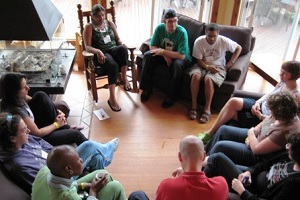
Support from family and friends can help a lot. Even the "calmest" family will sometimes need outside help in dealing with the stress of a loved one who has continued symptoms. Family therapy or joining a support group can be very helpful.
BottomLine for the Parents of bipolar disorder child:
Learn all you can about bipolar disorder. Read, join support groups, and network with other parents. There are many questions still unanswered about early onset bipolar disorder, but early intervention and treatment can often stabilize mood and restore wellness. You can best manage relapses by prompt intervention at the first re-occurrence of symptoms.
Bipolar Disorder - Bipolar Disorder is the form of depressive illness in which the sufferer has periods of being on a high, as well as periods of depression.
Treatment of Bipolar Disorder - Effective treatment is available for bipolar disorder.
What is the cause of Bipolar Disorder? Learn about various causes of bipolar disorder such as family tree, your genes, loss of job, etc.
What are the symptoms of Bipolar Disorder? There are various symptoms of bipolar disorder.
Can Adolescent have bipolar disorder? Bipolar disorder can occur in adolescents and has been investigated by federally funded teams in children as young as age 6.
Can Children Have Bipolar Disorder? Children experience faster mood swings than adults, often cycling many times within a day.
Bipolar disorder - a case study Millions of Americans diagnosed with mental illness lead healthy lives because of information discovered through clinical studies.
History of bipolar disorder - Bipolar disorder has left its mark on history.
Importance of Bipolar disorder diagnosis Diagnosis is important, because it guides treatment decisions.
What is the need of diagnosis in childhood? The importance of proper diagnosis cannot be overstated.
What are the types of bipolar affective disorder? Learn about various types of bipolar disorder.
How can u help ur child and what is the role of parents? Your child can reduce the minor mood swings and stresses that sometimes lead to more severe episodes by adhering to the following tips.


Sometimes crying or laughing
are the only options left,
and laughing feels better right now.


Stay Connected with DG


Current Issue
 Self Help Leaflets Take the help of our self help leaflets or booklets. |
 The DG Magazine All about living with depression |
Type of Depression
 Hypomania Cyclothymia Major Depression Unipolar Disorder Dysthymic Disorder Neurasthenia Bipolar Disorder Rapid Cycling Bipolar Disorder Bipolar II Disorder Adolescent bipolar disorder Bipolar affective disorder Children Bipolar Disorder Manic Depressive Disorder Postpartum Depression Melancholia Agitated Depression Manic Depressive Psychosis Depressive Disorder NOS Dysphoric Mania Neurotic depression Masked depression Endogenous depression Puerperal psychosis Postpartum psychosis Winter depression - Seasonal Affective Disorder (SAD) Post Traumatic Stress Disorder Premenstrual Dysphoric Disorder (PMDD) Atypical depression Alcohol And Depression